The World Cup Has Reminded Us Why We Love Football — And Why the Big Leagues Are Shite
The World Cup has been wrapped in corporate nonsense, but the football itself has reminded us what the big leagues have lost: chaos, personality and fun.
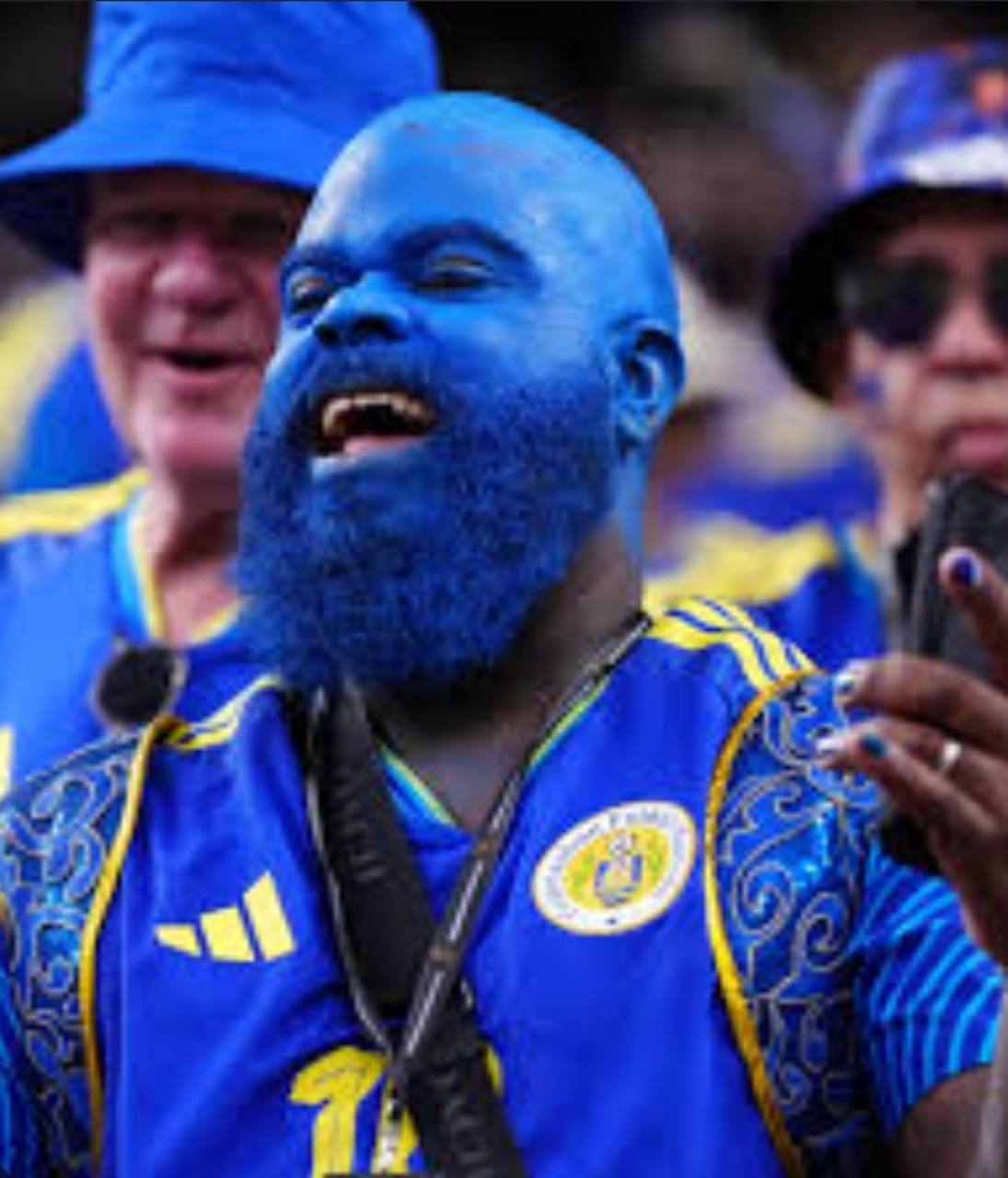
As the group stages draw to a close, I have to admit I’ve been pleasantly surprised by this World Cup.
Don’t get me wrong, the tournament still comes wrapped in enough corporate nonsense to make your eyes water. Every five minutes there’s another sponsor, another advert, another attempt to turn football into a cross between a business conference and the Super Bowl. The American obsession with making everything bigger, louder and more commercial than it needs to be is never far away.
But once the whistle blows, something unexpected has happened.
The football has been good.
Actually, scratch that.
The football has been entertaining.
And that’s a word that often gets forgotten in the modern game.
For years we’ve been told that the Premier League is the greatest show on earth. The best players. The best coaches. The biggest budgets. The most sophisticated tactics. Yet somewhere along the line, football became a little bit… sterile.
Everything is optimised.
Everything is analysed.
Everything is controlled.
Players are coached within an inch of their lives. Full-backs invert. Goalkeepers play as midfielders. Centre-halves complete 400 passes a game. Nobody wants to make a mistake because mistakes cost millions.
Then along comes a World Cup featuring teams like Haiti, Curacao and Cape Verde and suddenly football feels fun again.
These teams aren’t supposed to be here according to the footballing elite. They don’t have billion-pound TV deals. They don’t have squads assembled for the cost of a small nation’s GDP. They don’t have tactical analysts hiding in bushes with drones.
What they do have is personality.
They celebrate tackles like goals.
Their fans sing from kick-off to full-time regardless of the score.
And occasionally they produce moments that remind you football isn’t meant to be solved like a maths equation.
Some of the best moments of the tournament haven’t even happened on the pitch. Social media has been full of brilliant scenes of supporters mixing together, dancing in city squares, swapping shirts, sharing beers and generally behaving like football fans used to before everyone became permanently angry online.
It has felt friendly.
It has felt authentic.
And perhaps most importantly, it has felt human.
The biggest lesson from this tournament might be that football doesn’t always need to be perfect to be enjoyable.
In fact, sometimes the opposite is true.
A misplaced pass can be more exciting than twenty perfect ones.
A wild underdog having a go can be more entertaining than two elite teams terrified of losing.
A nation of a few hundred thousand people dreaming the impossible dream can capture the imagination far more than another tactical masterclass from a club side worth £1.5 billion.
Maybe all the money flooding into the top leagues has improved the quality.
But it has also ironed out a lot of the chaos.
And football without a bit of chaos is like Yorkshire pudding without gravy. Technically possible, but why would you bother?
As we head into the knockout stages, the big guns will probably start taking over. They usually do.
But for a few glorious weeks, teams like Haiti, Curacao, New Zealand, Iran and Cape Verde have reminded us what football is supposed to be.
Not a financial product.
Not a content platform.
Not a global brand.
Just twenty-two people, one ball, thousands of fans, and the faint hope that something ridiculous might happen.
And thankfully, quite often it has.
Daft-a-peth.